
"How to Be an Adult in Relationships" - a fantastic book for everyone!
Richo's Five A's framework beautifully articulates exactly what we need to feel loved—and more importantly, shows us how to nurture those needs within ourselves.
THRIVING PARTNERSHIPSBECOMING YOURSELF
Fernanda
12/22/20259 min read
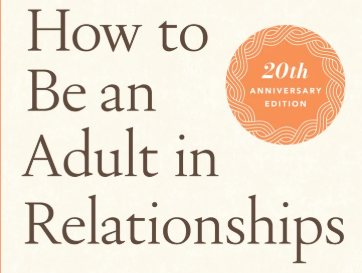
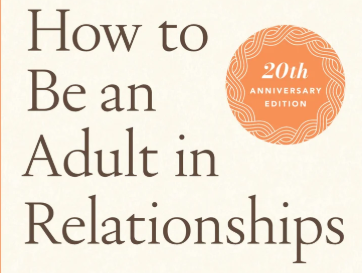
You know that moment when you read something and it feels like someone just turned on all the lights in a room you've been stumbling around in for years? That's exactly what happened to me with David Richo's How to Be an Adult in Relationships: The Five Keys to Mindful Loving. (this link may lead to a small commission with purchase of the book)
I'm not exaggerating when I say this book has completely shifted how I understand love, relationships, and—honestly—myself. And I just have to share it with you.
What Makes This Book Different
First off, let me say: this isn't your typical relationship book filled with generic advice about "communication" and "compromise." Don't get me wrong—those things matter. But Richo goes so much deeper. He's a psychotherapist who blends psychology, Buddhism, and real-life wisdom into something that feels both profound and incredibly practical.
The heart of the book is what he calls the Five A's—five essential ingredients that we all need to feel truly loved. And here's where it gets really interesting (and honestly, kind of life-changing): these five A's show up at every stage of our lives, from childhood to our adult relationships, and understanding this pattern can help us break free from so many unhealthy patterns.
The Five A's: What We All Need to Feel Loved
So what are these magical Five A's? Let me break them down for you:
1. Attention – This is about being truly present with someone, really listening and noticing their feelings. It's not just about being in the same room—it's about actually seeing someone.
2. Acceptance – Loving someone exactly as they are, without trying to change them or wishing they were different. It's embracing the whole person, quirks and all.
3. Appreciation – Recognizing and valuing someone's unique gifts and qualities. It's about expressing gratitude for who they are and what they bring to your life.
4. Affection – Physical touch, warmth, tenderness—all the ways we show love through respectful physical connection, from hugs to holding hands to that gentle smile across a crowded room.
5. Allowing – Giving someone the freedom to be themselves, to grow, to make their own choices. It's the opposite of control—it's trusting them to live their own life, even when it's scary.
When I first read this list, I immediately started thinking about my own relationships. Where am I giving these? Where am I receiving them? Where are the gaps? It was such a powerful framework for understanding what's working and what's not.
The first "Aha" of the book:
Here's where this book really got me: Richo explains that as children, we needed these Five A's from our parents. They were essential for our emotional development, for building our sense of self-worth, for feeling safe in the world.
But here's the thing—most of us didn't get all five A's consistently. Maybe our parents were doing their best, but they were dealing with their own stuff. Maybe they gave us attention but not acceptance. Or affection but not allowing. Or maybe they struggled to give us any of them in the ways we needed.
So what happens? We grow up, and we start dating, and—here's the kicker—we unconsciously look for partners to give us the Five A's we didn't get as kids. We're essentially trying to get our partners to fill in those gaps, to heal those old wounds, to give us what our parents couldn't.
Sound familiar? Yeah, me too.
And here's why that's a problem: when we expect our partner to meet all these deep, childhood needs, we're setting them up for an impossible task. We're asking them to be a parent, not a partner. And that creates codependency, resentment, disappointment—all the things that can poison a relationship.
The 75% and where it needs to come from
But here's the part that actually made me put the book down and just sit with it for a while: Richo says we need to learn to give these Five A's to ourselves.
Yes, we can receive them from our partners—and we should! But he suggests that in a healthy relationship, we should only expect about 25% of our emotional nurturance to come from our partner. The other 75%? That needs to come from ourselves, from friends, from community, from our own self-love and self-care practices.
At first, I was like, "Wait, only 25%?" It felt almost... stingy? But then I really sat with it, and it started to make so much sense. Think about all the different sources of love and connection in your life: your friends, your family, your hobbies, your work, your spiritual practices, your relationship with yourself. When you add it all up, your romantic partner is just one piece of the puzzle—an important piece, yes, but not the entire picture.
This was such a relief to realize. It means I can stop expecting one person to be my everything. It meant I can stop feeling disappointed when my partner couldn't read my mind or meet every single emotional need. It means I can take responsibility for my own happiness and healing.
"At times in a relationship you do not feel appreciated and you complain, maybe blow up. Behind every complaint about a partner is a longing for one of the five A’s."
The Two Fears That Shape How We Love
One of the other insights from this book that really hit home for me is Richo's discussion of the two core fears that show up in relationships: the fear of abandonment and the fear of engulfment.
Fear of abandonment is that deep terror of being left, rejected, or not being enough. It's the voice that says, "If they really knew me, they'd leave." It makes us cling, people-please, or constantly seek reassurance that we're still loved.
Fear of engulfment is the opposite—it's the fear of losing ourselves in a relationship, of being swallowed up or controlled. It's what makes us pull away when things get too close, guard our independence fiercely, or keep one foot out the door even when we care deeply about someone.
Here's what's fascinating: most of us have both fears, and they often work together in this painful dance. We desperately want closeness (fear of abandonment), but when we get it, we panic and push away (fear of engulfment). Or we attract partners who have the opposite fear, creating a push-pull dynamic that leaves everyone exhausted.
Richo helped me see that these fears are rooted in our childhood experiences and unmet needs. When we learn to give ourselves the Five A's, when we build that strong foundation of self-love and self-trust, these fears start to lose their grip. We can get close without losing ourselves. We can be independent without pushing love away. We can finally stop running from intimacy or desperately chasing it.
Here's a section about the five fundamental mindsets of ego:
The Five Ego Traps That Keep Us from Real Connection
Another concept from the book that stopped me in my tracks is what Richo calls the five fundamental mindsets of ego—basically, the mental patterns that keep us from truly being present and seeing reality clearly in our relationships.
I'll be honest: reading this section felt like getting called out in the most loving way possible. Because once he named these patterns, I could see them everywhere in my own life.
Fear shows up when we're constantly on the defensive, worried about what someone thinks of us or perceiving threats that might not even be there. It's that voice that says, "They probably don't like me" or "I need to protect myself here." When we're in fear mode, we can't actually connect—we're too busy bracing for impact.
Desire is when we approach a moment or person with an agenda, trying to get our emotional needs met or expecting them to show up in a specific way. It's that feeling of "What can I get from this?" instead of just being open to what is. And honestly? I've done this so many times without even realizing it—turning every interaction into a transaction.
Judgment keeps us trapped in our own opinions and evaluations. Whether we're idealizing someone, criticizing them, or just caught up in our running commentary about everything, we're not actually seeing them—we're seeing our thoughts about them. It's like there's this filter between us and reality, and the filter is just our own endless opinions.
Control happens when we're attached to a specific outcome and we can't let go. We want to fix, change, advise, or persuade the other person instead of letting them be who they are. This one really got me because I realized how often I approach relationships thinking I know what's best for someone else—and how exhausting that must be for everyone involved, including me.
Illusion is when we're living in our mental picture of someone or something instead of seeing what's actually in front of us. We project, fantasize, idealize, or deny reality because the truth feels too uncomfortable. We fall in love with our idea of someone rather than the real person. We cling to hope instead of accepting what is.
What I love about Richo laying these out so clearly is that once you see these patterns, you can start catching yourself in the moment. You can notice, "Oh, I'm in judgment mode right now" or "I'm trying to control this situation." And that awareness alone creates space for something different to happen—for you to actually be present, to see clearly, to connect authentically.
These five mindsets keep us stuck in our heads instead of open to what's actually happening. They distort our relationships and keep us from the very intimacy we're seeking. But when we learn to recognize them and gently set them aside? That's when real love becomes possible.
What This Looks Like in Real Life
So how do we actually give ourselves the Five A's? Richo has some beautiful practices throughout the book, but here are a few things that resonated with me:
Attention to ourselves: Actually checking in with how we're feeling, journaling, meditating, noticing our own needs instead of always focusing outward.
Acceptance of ourselves: Looking in the mirror and saying, "You're doing your best, and that's enough." Embracing our imperfections instead of beating ourselves up.
Appreciation for ourselves: Celebrating our wins, recognizing our strengths, acknowledging how far we've come instead of only seeing how far we have to go.
Affection toward ourselves: Treating ourselves with gentleness, taking care of our bodies, doing things that feel good and nourishing.
Allowing ourselves to be who we are: Giving ourselves permission to have feelings, to change our minds, to grow at our own pace, to not have it all figured out.
When we do this inner work, something amazing happens: we show up in our relationships as whole people, not as people desperately seeking someone else to complete us. We can appreciate what our partner gives us without demanding that they give us everything. We can love them for who they are, not for how well they're filling the holes in our hearts.
Affirmative Language & Self-Talk
Richo suggests reframing critical thoughts into affirmations.
From Blame to Need: Instead of "You shouldn't have done that," say, "I need your attention/acceptance/etc.".
From Criticism to Wish: Instead of "You should stop smoking," try, "May you find the strength to stop smoking".
Self-Criticism: "May I access the strength I know is in me to let go of this habit".
Accepting Reality: "Thank you for freeing me from yet another of my illusions".
Self-Trust: "I trust myself with whatever you do" (instead of "You will never hurt me").
Why This Matters for All of Us
Whether you're single, dating, in a long-term relationship, or anywhere in between, this book has something valuable to offer. Because ultimately, it's not just about romantic relationships—it's about how we relate to everyone in our lives, including ourselves.
Richo talks about how our childhood experiences shape our adult relationship patterns. He explores how to recognize and heal those old wounds. He gives practical exercises for becoming more mindful in how we love. He talks about the different phases relationships go through (the honeymoon phase, the conflict phase, the commitment phase) and how to navigate them with grace.
But more than anything, he offers us a path to emotional maturity—to becoming adults who can truly love and be loved in a healthy, sustainable way.
My Invitation to You
If any of this resonates with you—if you've ever felt like you're repeating the same relationship patterns, if you've struggled with codependency, if you're not sure what healthy love even looks like, if you just want to understand yourself and your relationships better—I cannot recommend this book enough.
It's not a quick read. It's dense with wisdom, and you'll want to sit with it, journal about it, really absorb it. But I promise you, it's worth it.
For me, reading How to Be an Adult in Relationships felt like coming home to myself. It gave me language for things I'd always felt but couldn't name. It helped me see my patterns with compassion instead of judgment. And most importantly, it showed me that I have the power to change those patterns, to heal, to grow, to become the kind of person who can love deeply and well—starting with myself.
And honestly? That's the most beautiful gift a book can give.
Have you read this book? Or do you have another relationship book that changed your life? I'd love to hear about it! And if you pick this one up, let me know what resonates with you. I'm always here for those deep, heartfelt conversations about love and growth.
Connecting individuals through meaningful relationships and valuable resources.
connect
Newsletter
Subscribe to our newsletter for valuable insights and event news.
© 2026. Filled Cups.® All Rights Reserved.
Bring FC to your city
INSPIRATION